Winter in Georgia brings with it the occasional snowstorm, icy roads, and unpredictable weather patterns that can turn a regular commute into a hazardous journey. Although Georgia is not known for severe winter weather, the state’s infrastructure and driving habits are often unprepared for winter conditions. When these conditions lead to car accidents, many drivers are left wondering about liability and how the law applies in these specific scenarios.





Understanding how liability is determined after a winter accident in Georgia is crucial for anyone who might find themselves in this unfortunate situation. From assessing road conditions to understanding driver behavior, a variety of factors can influence how fault is assigned in winter accidents. This guide explores the key aspects that affect liability in car accidents during the winter months in Georgia and provides insight into how the law works in such cases.
How Liability Is Determined in Winter Car Accidents in Georgia 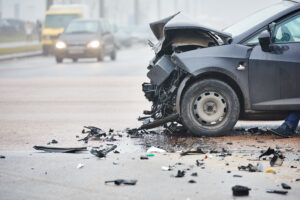
Georgia operates under a comparative negligence system, which means that fault for an accident can be shared between multiple parties, and each party’s level of fault determines the extent of their liability. This means that if you are involved in a winter car accident, the law will assess the degree to which each party contributed to the accident. This is important to understand because even in the case of harsh weather conditions, drivers are still expected to take reasonable precautions to avoid accidents.
1. Weather Conditions and Their Impact on Liability
Winter weather conditions, including snow, ice, and freezing rain, create challenging driving environments. Slippery roads, poor visibility, and icy patches can make controlling a vehicle difficult. However, Georgia law does not automatically absolve drivers of liability simply because the weather was bad. While weather conditions are certainly a contributing factor, they are not an excuse for negligence.
Under Georgia law, all drivers have a duty to exercise reasonable care on the road, regardless of the weather. This means that drivers must adjust their speed, maintain safe distances from other vehicles, and take other measures to ensure they can safely navigate winter road conditions. If a driver fails to do so, they may be deemed negligent.

Katherine Rinaldo


Matthew Powell

Don Truskett

Michael Strong
For example, if a driver is going too fast for icy conditions and loses control of their vehicle, they may be held responsible for the resulting accident, even though the weather contributed to the incident. On the other hand, if a vehicle slides on ice due to a mechanical failure or another unavoidable factor, the driver may not be held fully liable.
2. The Role of Driver Behavior in Winter Accidents
Driver behavior is one of the most significant factors in determining liability in car accidents, including those that occur during winter weather. While bad weather may increase the likelihood of accidents, it does not excuse poor driving habits or failure to adjust to conditions.
In winter, common examples of poor driver behavior include:
- Speeding: Driving too fast for conditions, even in snowy or icy weather, is one of the most frequent causes of winter accidents. Speeding reduces a driver’s ability to react to sudden changes in road conditions, increasing the likelihood of an accident.
- Tailgating: Following another vehicle too closely is particularly dangerous in winter, as braking distances are longer on icy or wet roads. If a driver is tailgating and unable to stop in time, they may be found liable for the crash.
- Distracted Driving: Using a cell phone, adjusting the radio, or engaging in other distractions can be even more dangerous during winter driving. When visibility is reduced or roads are slippery, drivers need to stay focused on the road at all times.
- Failure to Yield: Drivers may fail to yield when required, particularly at intersections or when roads are icy. For example, a driver failing to yield right of way and causing a collision could be held responsible for the accident.
If the weather conditions made the road more dangerous, but the driver’s actions still contributed to the accident, they could be assigned partial or full liability based on their level of negligence.
Verdicts & Settlements
3. The Role of Road Maintenance and Local Government Responsibility
In Georgia, local governments have an obligation to maintain safe road conditions. While winter weather can create hazardous driving environments, it is the responsibility of local authorities to clear snow and ice from major roads and highways in a timely manner.
However, government liability is not absolute. Georgia’s sovereign immunity laws limit the ability to hold government agencies accountable for injuries or damages resulting from road conditions, except under specific circumstances. If a local government fails to maintain the roads adequately, they could be held liable for damages if it can be proven that their failure to act was the direct cause of the accident.
For instance, if snow and ice were left on the road for an extended period, and a driver crashes due to the untreated road conditions, the government could be held responsible, but only if negligence can be demonstrated. Typically, this would involve proving that the local government knew about the dangerous conditions but failed to take appropriate action.
4. Vehicle Maintenance and Winter Weather Risks
In addition to weather conditions and driver behavior, the condition of the vehicle itself plays a critical role in winter accidents. Poor vehicle maintenance can exacerbate the effects of winter weather, making it more likely for a vehicle to fail or become difficult to control.
For example, a vehicle with bald tires has significantly less traction in the snow or on icy roads than a vehicle with properly maintained tires. If a driver fails to maintain their vehicle and it contributes to an accident, they could be held liable for damages resulting from the crash.
Additionally, vehicles with faulty brakes, worn-out wipers, or defective lights can also become hazards during winter driving. If these maintenance issues directly contribute to an accident, the vehicle owner or driver may be found at fault.
5. Comparative Negligence and Shared Liability in Winter Car Accidents
As mentioned earlier, Georgia follows a comparative negligence rule. This means that in cases of winter accidents, liability can be shared based on the degree of fault assigned to each party involved. If you are found to be partially at fault for an accident, your compensation will be reduced in proportion to your share of the blame.
For instance, if you are involved in an accident where you are found 30% at fault (for example, because you were speeding on icy roads), you would only be able to recover 70% of the damages you incurred. This could include medical expenses, property damage, and lost wages.
However, Georgia’s comparative negligence law ensures that even if you are partially at fault, you can still recover compensation as long as your degree of fault is less than 50%. If you are found to be 51% or more at fault, you will be barred from recovering damages.
What to Do After a Winter Car Accident in Georgia
If you find yourself in a winter car accident in Georgia, there are several critical steps you should take to ensure your rights are protected and that you are able to pursue compensation if necessary:
- Ensure Safety: First and foremost, make sure you and others are safe. If possible, move your vehicle out of the way of traffic to prevent further accidents.
- Call the Police: Always contact law enforcement to report the accident, especially in the case of injuries or significant damage. A police report will serve as crucial evidence in determining fault.
- Document the Scene: Take photographs of the accident scene, road conditions, vehicle damage, and any visible weather conditions that may have contributed to the crash. This evidence can be vital in proving liability.
- Seek Medical Attention: Even if you feel fine immediately after the accident, it’s important to seek medical attention. Injuries from car accidents can sometimes show symptoms hours or days later.
- Consult an Attorney: Because liability in winter accidents can be complex, consulting with an experienced car accident attorney is highly recommended. A lawyer can help you navigate Georgia’s comparative negligence laws and ensure that you are fairly compensated for your injuries and damages.
Winter weather in Georgia presents unique challenges for drivers. Although the state is not known for severe winter storms, icy and slippery roads can still lead to accidents. Determining liability in winter car accidents involves multiple factors, including weather conditions, driver behavior, and vehicle maintenance. Understanding Georgia’s comparative negligence system and how it applies in these situations is crucial for anyone involved in a winter accident.
If you or a loved one has been involved in a winter car accident, The Keenan Law Firm is here to help. Our experienced attorneys can guide you through the complex process of determining liability and pursuing the compensation you deserve. Contact us today to discuss your case.