When a vacation rental fails to maintain essential safety features, such as handrails or decks, the resulting accidents can lead to complicated legal battles. In popular vacation destinations like Miramar Beach and Destin, determining who is responsible—the property owner, homeowners association (HOA), or property manager—requires careful legal consideration. Understanding the roles and liabilities of each party involved is key to navigating these claims and ensuring that victims receive proper compensation.




Vacation rentals offer a great way for visitors to enjoy Florida’s beautiful beaches, particularly in areas like Miramar Beach and Destin. However, as with any property, these homes and condos come with inherent risks, particularly when safety features such as handrails and decks are not properly maintained. In cases where an accident occurs due to a failure in these structures, the question of liability can become complicated.
In many instances, more than one party may be involved in the property’s upkeep, such as the owner, a property manager, or even a homeowners association (HOA). It’s crucial to understand who is responsible for maintaining these features, who is liable for accidents, and how the law assigns fault in these situations. In this post, we’ll break down the roles of each party, explore how liability works in vacation rental accidents, and explain what victims need to know to seek compensation.
The Property Owner’s Responsibility: 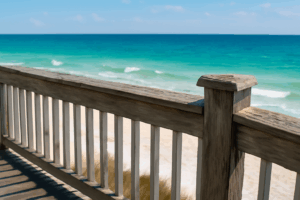
The property owner is typically considered the primary party responsible for the upkeep of the rental property, including the safety features such as handrails and decks. In Florida, property owners must ensure that their property meets safety standards and complies with local building codes. This includes maintaining outdoor structures like decks, balconies, and handrails, which are often at risk of wear and tear due to exposure to the elements, particularly near the beach.
Legal Obligations and Maintenance Requirements
Under Florida law, property owners must ensure their rental properties are reasonably safe for guests. If a deck or handrail is not properly maintained and a guest is injured as a result, the property owner could be found liable for the accident. The Florida building code provides guidelines on the strength and stability of these structures, and failing to meet those standards can be considered negligence.
- Regular Inspections: Property owners are required to inspect the property regularly to identify any hazards. This includes checking the stability of handrails and ensuring that decks are free from rot, loose boards, or any structural defects.
- Addressing Complaints: If a guest reports an issue with a handrail or deck, the property owner must take prompt action to repair it. Ignoring these complaints can increase the chances of liability in the event of an accident.
Negligence and Liability
When a property owner fails to maintain or repair a safety feature like a handrail or deck, they may be considered negligent. For example, if a deck was visibly deteriorating, but the owner did not take steps to fix it or warn guests of the potential danger, they could be held accountable for any injuries that result from a fall.

Katherine Rinaldo


Matthew Powell

Don Truskett

Michael Strong
Additionally, the property owner may be liable for damages even if the injury was caused by a third party. For example, if a contractor was hired to repair the deck but did subpar work, the owner could still be liable for the failure to ensure the repairs were made properly.
The Role of the Homeowners Association (HOA):
In some cases, the property in question may be part of a larger community that is governed by a homeowners association (HOA). The HOA typically handles the maintenance of common areas, such as shared decks or railings, in multi-unit properties or residential communities. While the HOA has a responsibility to ensure these areas are safe for all residents and visitors, the line between what the HOA is responsible for and what the property owner is responsible for can be unclear.
Common Areas vs. Private Property
When a safety feature, such as a deck or handrail, is located in a shared common area—like a community pool area or a walkway between units—the HOA is generally responsible for maintaining it. However, if the feature is on private property, such as a balcony or patio, the responsibility for upkeep typically lies with the property owner. In these situations, both parties may share some degree of responsibility, depending on where the accident occurred.
When the HOA is Liable
If the injury occurs in a common area, the HOA could be held liable if they failed to perform adequate maintenance or inspection of the property. For example, if a community deck was known to have loose railings but the HOA failed to repair them, the HOA could be sued for negligence. On the other hand, if the failure occurred in a private area that is the responsibility of the property owner, the HOA would likely not be liable.
Verdicts & Settlements
It’s also important to note that in some communities, the HOA may have the authority to enforce certain maintenance standards, but only if the property owner is in violation of the community’s rules. If the HOA failed to enforce these rules, they could be considered negligent.
Property Manager Liability:
In many vacation rental situations, especially in larger complexes or more professionally managed properties, the property manager plays a key role. The property manager acts as the liaison between the property owner and the guests, handling everything from booking reservations to performing maintenance. Because of their day-to-day involvement in managing the rental property, property managers can also be held responsible for safety issues, including those involving handrails and decks.
Duty to Maintain Safe Conditions
Property managers are expected to keep the rental property in good condition, which includes addressing any safety hazards that may arise. This includes monitoring the condition of handrails, decks, and other key structures. If a safety issue arises, the property manager is typically the first point of contact for guests, and they must ensure that repairs are made promptly or that guests are warned of potential hazards.
Failure to Address Complaints or Report Issues
If a guest reports a safety issue with the deck or handrail, the property manager must take action to address it. If they fail to do so and an accident occurs, the manager could be held liable for negligence. Additionally, if the property manager fails to inform the property owner about an issue, the manager may also bear some responsibility for the injury.
When the Property Manager is Not Liable
In some cases, the property manager may not be held liable if they followed proper protocol or were not informed of the issue in time to act. For example, if the property manager promptly reported a deck failure to the property owner but the owner neglected to address the problem, the owner would likely bear more responsibility than the property manager.
Proving Liability: Legal Considerations and Steps
When it comes to vacation rental accidents caused by handrail or deck failures, the legal process can be complex. To determine who is responsible for an injury, several factors must be considered:
- Documenting the Incident: Victims must collect evidence, such as photographs of the damaged structure, witness statements, and any previous complaints made about the property. This documentation will be crucial in establishing liability.
- Determining the Responsible Party: An investigation must determine whether the property owner, HOA, or property manager is at fault. This will depend on where the accident occurred, who was responsible for maintenance, and whether proper precautions were taken.
- Negligence Evidence: To prove negligence, the injured party must show that the responsible party failed to meet their legal obligations, such as conducting regular inspections or addressing known hazards.
Liability for injuries caused by handrail or deck failures in vacation rentals in Miramar Beach and Destin can involve multiple parties. The property owner, HOA, and property manager may all share different responsibilities depending on the circumstances. When dealing with such accidents, it is important for victims to seek legal advice to help them understand their rights and determine who is at fault. By gathering evidence and identifying the responsible parties, individuals can pursue the compensation they deserve for their injuries.
If you or someone you know has been injured due to a safety issue at a vacation rental, The Keenan Law Firm is here to help. With extensive experience in handling premises liability cases, we can help guide you through the process and ensure that your case is handled effectively. Contact us today for a consultation.