If a defective Halloween costume, decoration, novelty toy, or food product injures you or your child in Georgia, a manufacturer may be liable under state products liability law. A retailer may be responsible for its own negligence, while a property owner or business may face a separate premises liability claim when an unsafe display or installation causes harm. The responsible parties depend on how the injury happened and what the evidence shows.
Georgia generally allows two years to file a personal injury lawsuit, while certain manufacturer claims face a separate ten-year statute of repose. Exceptions may change those deadlines. If you have been injured in Atlanta, Georgia, or a nearby community, obtain medical care, preserve the product and its packaging, and document the incident.
Which Halloween Products Can Cause Injuries?
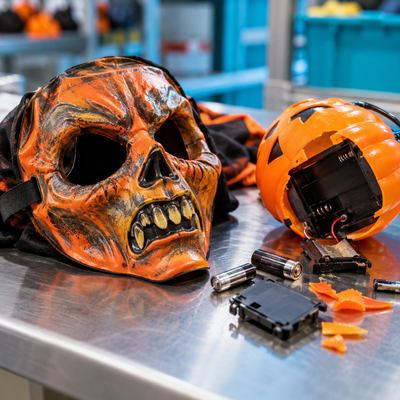
Seasonal products can create unexpected hazards when their designs, manufacturing, warnings, or installation are unsafe. Products worth examining after an injury include:
- Costumes and accessories: Flammable fabric, sharp pieces, and loose attachments may cause burns or other injuries.
- Decorative lighting: Defective wiring, plugs, or battery compartments may cause shocks or burns.
- Masks and headwear: Restricted vision or poorly secured parts may contribute to an accident.
- Candy and packaged treats: Contamination, foreign objects, or labeling problems may cause harm.
- Inflatable displays: Faulty electrical components or unstable installations may create hazards.
- Novelty toys: Small detachable parts, sharp edges, and accessible batteries may endanger children.
For example, a decorative pumpkin light purchased in Sandy Springs might overheat during ordinary use and burn someone. Whether that event supports a claim depends on the product condition, the cause of the overheating, and the injury evidence.
Who May Be Liable for a Halloween Product Injury in Georgia?
1. Manufacturers
Under O.C.G.A. § 51-1-11(b)(1), a qualifying manufacturer may face strict liability when a product sold as new was not reasonably suited to its intended use when sold and that condition proximately caused injury. Strict liability does not require proof of manufacturer negligence, but the claimant must establish the required product defect, causation, and injury.
Three frequently examined product problems are:
- Design defects: A product design presents an unreasonable safety risk. Georgia design claims can require a risk-utility analysis.
- Manufacturing defects: A production error leaves an individual item different from its intended design.
- Inadequate warnings: A manufacturer may negligently fail to provide appropriate warnings or instructions concerning a foreseeable danger. Warning claims require analysis of the applicable duty and the cause of the injury.
A defective product claim may require engineers, safety specialists, or other qualified experts to examine the item and its use.
2. Retailers, Distributors, and Online Sellers
Georgia statutory strict manufacturer liability generally does not extend to a business that merely sells a finished product. Depending on its actual role, a seller may qualify as a manufacturer or may face its own negligence claim. For example, evidence that a retailer knew of a dangerous condition and failed to take reasonable action could be relevant. Claims involving online marketplaces require a closer examination of the marketplace’s functions and applicable law.
3. Property Owners and Halloween Event Operators
Some Halloween accidents involve a hazardous display or walkway instead of a defective consumer product. Under O.C.G.A. § 51-3-1, owners and occupiers owe lawful invitees ordinary care to keep premises and approaches safe. If an Alpharetta business places cords or decorations across a pedestrian route, liability may depend on the owner’s knowledge, the visitor’s knowledge, and the circumstances of the accident.
What Happens When a Child Is Injured by a Halloween Product?
Children may face greater risks from small detachable parts, sharp accessories, or accessible batteries. Following an injury, the investigation may consider the product’s advertised age range, the manner of use, applicable safety standards, and warnings.
Parents or legal representatives can pursue certain injury claims for minors, but some related expenses may be claimed separately by a parent. Special rules may affect when a child’s claim must be filed. These matters should be assessed individually rather than applying an adult filing deadline automatically.
How Is Responsibility Determined Under Georgia Law?
Your claim generally must connect a legally recognized defect or negligent act to the injury. A manufacturer claim may require proof of a defect when the product was sold and a causal relationship to your harm. A negligence claim ordinarily involves duty, breach, causation, and damages.
Under O.C.G.A. § 51-12-33, comparative fault may reduce a claimant’s recoverable damages. Under the applicable rule, an injured person who is 50 percent or more at fault cannot recover. Product alterations, misuse, warnings, and the conduct of other responsible parties may all warrant investigation, although no single defense automatically decides the case.
What Compensation May Be Available?
Depending on the severity of your injury and the evidence, recoverable losses may include:
- Past and future medical expenses.
- Lost wages and diminished earning capacity.
- Physical pain, suffering, and related emotional harm.
- Permanent scarring, disability, or disfigurement.
Punitive damages may be available in limited circumstances when the statutory legal standard is met. The amount recoverable depends on the claim and its supporting proof.
What Should You Do After a Halloween Product Injury?
- Get medical treatment and follow the recommended care plan.
- Keep the product, packaging, instructions, and labels in a safe place.
- Photograph the product, injury, location, and any visible damage.
- Save receipts, online order confirmations, and product listings.
- Record witness names and preserve retailer or manufacturer communications.
- Avoid repairing, testing, or discarding the item before obtaining appropriate advice.
Evidence reminder: A defective item and its packaging may help identify the manufacturer and explain how the incident happened. Preserve both whenever it is safe to do so.
How Long Do You Have to File a Halloween Product Injury Lawsuit?
O.C.G.A. § 9-3-33 generally establishes a two-year filing period for Georgia personal injury lawsuits. Depending on the circumstances, the time may begin on the injury date, and specific tolling or other rules may alter the deadline.
O.C.G.A. § 51-1-11 separately creates a ten-year statute of repose for many manufacturer claims measured from the product’s first sale for use or consumption. The law includes specific exceptions and preserves certain duties to warn of subsequently discovered danger. The statute of limitations and statute of repose are distinct, and neither should be assumed to govern every case without legal review.
Frequently Asked Questions About Halloween Product Injuries
Can You Sue If a Halloween Costume Catches Fire?
You may have a claim if a defect or negligent warning failure caused the fire-related injury. Evidence about the fabric, heat source, instructions, and use of the costume will matter.
Can a Store Be Liable for a Dangerous Halloween Decoration?
Possibly. An ordinary retailer is generally not subject to manufacturer strict liability solely because it sold a product, but the retailer’s own negligent conduct can support a separate claim.
Does a Product Recall Prove Liability?
No. A recall may be useful evidence, but you still must establish the necessary legal elements and show that the product caused your injury. The absence of a recall does not automatically defeat a claim.
What If You Purchased the Product Online?
An online purchase does not itself prevent a Georgia claim. The manufacturer, actual seller, product distribution arrangement, and jurisdictional facts must be identified.
Speak With an Atlanta Product Liability Attorney About a Halloween Injury
If you or your child suffered an injury involving a defective costume, decoration, candy product, or seasonal accessory, The Keenan Law Firm can evaluate the circumstances and discuss your legal options. The firm has experience handling serious products liability claims and working with qualified technical experts. It serves clients in Atlanta, Sandy Springs, Alpharetta, Roswell, and nearby Georgia communities, as well as appropriate cases elsewhere.
contact the firm online to contact the firm about your circumstances.
Contact The Keenan Law Firm
This article provides general information and is not legal advice. Your legal rights and deadlines depend on your circumstances.